How to Control Weeds in Your Austin, TX Lawn This Spring
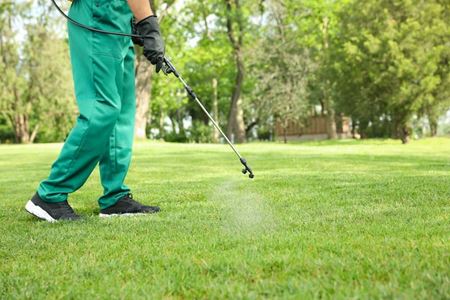
Spring flips the switch in Central Texas. Warmer days and quick bursts of rain wake up turf and weeds at the same time. If you want a clean, even lawn, the right mix of pre-emergent and post-emergent treatments is key. This guide explains how professionals protect Austin lawns in neighborhoods like Circle C, Mueller, and Steiner Ranch, and points you to practical seasonal advice on our lawn care tips page.
Why Spring Weed Control Matters In Austin, TX
Austin’s roller coaster weather makes timing everything. Cool nights and sudden warm spells can trigger multiple waves of germination. Annual grassy weeds try to sneak in as soil warms, while winter broadleaf weeds hang on from late fall. Without a plan, those waves stack up and crowd your turf when you want fast green-up.
Professional lawn care keeps pressure off your grass during this busy season. Well-timed treatments interrupt new growth, then clean up the stragglers so your turf can thicken and shade the soil. That thicker canopy is your best long-term defense against weeds.
Common Central Texas Weeds You’ll See In Spring
Different parts of town see different mixes, from shady yards in Hyde Park to sunny slopes in West Lake Hills. Here are frequent spring offenders that pros expect around Austin:
- Crabgrass and goosegrass that germinate as soil warms
- Rescuegrass and annual bluegrass that linger from winter
- Henbit and chickweed blooming in late winter to early spring
- Spurge and purslane spreading in thin, sunny spots
- Sandbur “stickers” that ruin bare-foot season if they get established
- Nutsedge flaring after rains in low or compacted areas
Pre-emergent and post-emergent do different jobs, and matching product type to the weeds above is how pros keep lawns clean without stressing your turf.
Pre-Emergent Weed Control: Your First Line Of Defense
Pre-emergent creates a thin barrier in the top layer of soil. That barrier targets sprouting seeds trying to break through in spring. When timed around your grass type and local weather, it blocks big seed flushes that follow warm-ups and March rains across Austin, Pflugerville, Cedar Park, and Buda.
Because spring in Central Texas can swing fast, pros watch soil warmth and rainfall, then build pre-emergent into a broader program with fertilization and mowing. The goal is simple. Stop most weeds from ever showing up so your lawn spends the season thickening evenly.
Post-Emergent Treatments: Cleaning Up What Slips Through
Even the best barrier lets a few weeds break the rules. That is where selective post-emergent steps in. It targets visible weeds in your grass while protecting the turf you want to keep. Broadleaf formulas tackle henbit or spurge. Grassy formulas go after crabgrass escapes. Where needed, specialty products are used for tough customers like nutsedge.
Consistent scheduling is crucial. Pros revisit at the right intervals so new seedlings do not get a head start between visits. That rhythm keeps pressure low all spring and sets up summer color.
How Pros Build A Spring Plan For Austin Lawns
Every yard is different. Shady North Loop bungalows and sunny Lakeway lots face different weed mixes and soil conditions. A professional plan uses the right tools at the right times, tailored to your site:
- Assessment of grass type, shade, and drainage patterns
- Targeted pre-emergent to block primary spring weeds
- Selective post-emergent to remove visible escapes
- Nutrient support so turf fills in thin areas
- Check-ins to adjust timing after heavy rain or cool snaps
Spotting weeds early reduces seed spread. That is why a steady program outperforms one-off visits that only treat what you can already see.
Pre-Emergent Versus Post-Emergent: How They Work Together
Think of spring protection as a two-part shield. Pre-emergent blocks the door so most weeds never enter. Post-emergent is the security guard inside, removing anything that sneaks past. Used together, they keep your lawn even and reduce stress on the grass you want to grow.
In Central Texas, that combo matters because we get staggered germination. Early cool-season weeds can overlap with the first warm-season flush. A program that stacks both treatments at the right times prevents gaps and avoids heavy rescues later in the season.
Why Professional Lawn Care Beats A Patchwork Approach
Weeds do not all behave the same, and products do not all act the same. Pros choose targeted solutions that fit your grass, your soil, and the current weather pattern. They also know how products interact with irrigation and mowing, which affects results in busy spring growth windows.
Here is what you can expect from a well-run program in Austin:
- Cleaner spring green-up with fewer crabgrass and henbit outbreaks
- Healthier turf density that shades soil and slows future weeds
- Smarter changes after heavy rain or cold snaps so momentum is not lost
- Fewer stickers and burrs where families and pets play
The right treatments, applied at the right time, protect your grass and your weekends. That is the simple win of hiring a focused, local team.
What A Spring Visit Looks Like With LD Lawns
Service starts with a quick walk of your yard to note thin areas, shade lines, edges near sidewalks, and any zones that hold water after storms. Then your technician applies a spring pre-emergent where and when it is most effective for your lawn. Selective post-emergent follows to remove visible weeds without harming your turf. If the lawn needs a nudge, your plan may include nutrients that encourage even growth.
Because Austin neighborhoods range from rocky hillsides to deep soils, our team reads the site before we act. That is how we prevent issues like re-germination in warm corners or recurring pockets of spurge near hot driveways.
How This Helps Lawns Across Austin
In Circle C and Avery Ranch, we see spring crabgrass pressure along curb lines that warm early. In Hyde Park and Allandale, shade cuts turf density, so post-emergent cleanup and nourishment help grass win back space. Around Pflugerville and Round Rock, fast growth after spring rain can hide scattered escapes that would otherwise seed out by early summer. A steady program catches each case before it spreads.
If you want background reading on seasonal lawn health and timing across the year, browse our latest posts on the lawn care tips page. You will find clear, local context that explains why certain treatments align with our weather.
Choosing A Partner For Weed Control In Austin, TX
You deserve a lawn that looks great without guesswork. Look for a local team that knows Central Texas grasses and weeds, adapts to weather swings, and backs each visit with simple explanations. The best programs are steady, predictable, and built for your property rather than a one-size plan.
When you are comparing options, focus on experience with warm-season turf, clear communication, and a schedule that prevents problems instead of chasing them. If you are ready to get ahead of spring growth, you can explore our targeted weed control services to see how a full-season plan keeps your lawn on track.
Ready For A Cleaner Spring Lawn?
Start strong and keep momentum all season. See our seasonal insights on the lawn care tips page, then choose the local team that does the work for you. For fast help with weed control in Austin, TX, call LD Lawns at 512-679-4925 and book your spring visit today.
Get Your Lawn Care on Track Call Our Lawn Care Experts In Austin Today!