How to Prepare Your Lawn for a Texas Summer: Summer Lawn Care in Austin
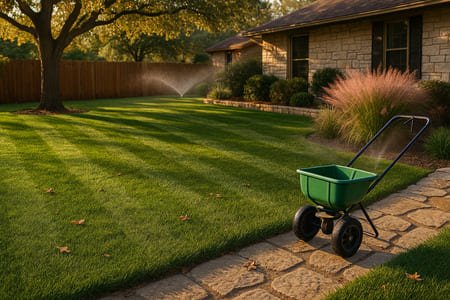
Texas heat is serious, and Austin summers can push turf to its limits. If you want thick, even color when the thermometer climbs, the smartest move is to plan ahead with a local, professional program. This guide explains how pros in Austin prepare lawns for hot, dry stretches and sudden storms, and why timing matters. If you want a head start, explore our lawn mowing service that keeps grass at a healthy height as temperatures rise.
Why Texas Heat Changes The Lawn Care Playbook
Central Texas brings long sunny days, warm nights, and soil that ranges from clay pockets to shallow limestone. Warm‑season grasses like St. Augustine, Bermuda, and Zoysia thrive here, but they still feel stress in July and August. Lawns in Circle C Ranch, Mueller, Hyde Park, and Steiner Ranch face similar heat, yet neighborhood shade, soil, and wind exposure can change what a healthy schedule looks like.
Consistency beats intensity in summer. The best results come from steady, well‑timed visits that protect roots and keep weeds from stealing water and nutrients.
Pro Mowing Strategy For Austin Summers
Heat calls for thoughtful mowing. Local crews raise mowing height for warm‑season turf so blades shade soil and reduce water loss. Smoother cuts and sharp blades also lower stress during hot spells. Your technician will match cut height to grass type and recent weather, then adjust as July approaches to help the lawn hold moisture between waterings.
Edge work matters too. Clean lines along sidewalks and beds cut down on creeping weeds and improve airflow at the turf edge. If you want reliable scheduling before peak heat, book recurring service on our lawn mowing page and keep summer stress in check.
Watering Wisely In Austin, TX
Summer watering is about precision, not volume. Professionals aim for deep, less frequent sessions, timed for cooler parts of the day to reduce evaporation. They also fine‑tune run times by zone, since a sunny corner in Travis Heights dries out faster than a shaded patch in Tarrytown.
Overwatering invites problems. Shallow, daily watering encourages thatch, weeds, and weak roots that collapse in a heat wave. A calibrated plan keeps roots reaching down where soil stays cooler.
Fertilization And Soil Health For Central Texas
In our area, feeding the soil is as important as feeding the grass. Pros look at pH, organic matter, and how nutrients move through limestone‑heavy ground. Spring feedings build strength for summer, while mid‑season touch‑ups focus on balance rather than pushy top growth that wilts in heat.
If you are curious how seasonal feeding sets up summer success, this article from our team shows how winter and spring timing impact warm‑season turf later in the year: fertilizing your Austin lawn in the winter.
Weed And Pest Pressure Spikes In Heat
Weeds love thin, stressed turf. A professional pre‑ and post‑emergent plan keeps invaders from stealing water during the hottest months. Summer also brings pests like chinch bugs and grubs that mimic drought damage. Your technician reads the signs and targets the problem before it spreads across open, sunny areas.
Early action saves summer color. Waiting until patches turn straw‑colored can mean longer recovery once the heat settles in.
What A Pro Summer Plan Covers
Austin lawns do best with a steady rhythm of visits tailored to neighborhood microclimates and changing weather. A typical professional plan may include:
- Seasonally adjusted mowing heights for St. Augustine, Bermuda, or Zoysia
- Calibrated irrigation schedules that match sun, shade, and slope by zone
- Balanced feeding to support roots without soft growth during hot spells
- Targeted weed control and monitoring for pest hot spots
- Edging, trimming, and cleanup to keep air moving at turf edges
When results matter fast, many Austin homeowners pair mowing with nutrient support. See how a tailored feeding plan complements summer mowing on our lawn fertilization service page.
Reading Heat Stress Before It Spreads
Summer issues often show up first along sidewalks, curb lines, and sun‑blasted corners. Pros scan these high‑stress zones at each visit and adjust mowing height or watering accordingly. In windy spots like the ridgelines of Northwest Austin, moisture loss speeds up, so schedules shift to protect those areas.
- Edges turning pale or crisp first
- Foot‑traffic paths that stay thin even after spring green‑up
- Brown blotches that do not improve after a normal watering cycle
- Weeds racing ahead in open, sunny patches
These are signals your technician uses to tweak the plan before heat damage snowballs.
Timing Around Austin Weather Swings
Summer is not a steady line. We get pop‑up storms, then quick returns to triple digits. Lawn care teams watch forecasts and shift tasks to match. For example, feeding or weed applications are planned around rain windows so materials perform well, and mowing height is eased up ahead of hotter weeks.
Neighborhoods east of I‑35 can sit a little warmer overnight than the lakeside corridors near Lakeway. That subtle difference guides early‑morning watering and cut height so turf can handle the long afternoon sun.
Bed Edges, Trees, And Transitions Matter
Healthy lawns depend on more than the turf in the middle. Edging keeps runners from invading beds, and neat borders help air and light reach the grass line. Trimming lower tree growth lets light reach shady lawn strips, which often struggle through summer under live oaks.
Crews also watch for mulch mounding against grass, which traps moisture and stresses edges. A tidy transition between beds and turf reduces disease risk when humidity spikes after summer rain.
How Professionals Keep Austin Lawns Resilient
Think of summer care as a relay. Spring feeds set the base, summer mowing and irrigation protect it, and spot treatments keep weeds and pests from stealing momentum. The handoffs are what separate healthy Austin lawns from those that fade by mid‑July.
If you want a simple way to lock in that rhythm, start with a recurring program. Our team at LD Lawns builds service calendars that fit neighborhood patterns and your schedule, then adjusts as summer shifts. You can always reach us at 512-679-4925 if you want a pro to walk your yard and map next steps.
Plan Ahead With The Right Local Partner
Getting ready for summer is easier when you are not guessing. Whether you live in South Austin, Steiner Ranch, or near Mueller, a steady plan that respects soil, shade, and watering rules will carry your lawn through August. For a full‑yard approach and more background on our services, explore helpful resources on our homepage, including summer lawn care Austin ideas that keep results consistent.
Don’t wait for the first 100‑degree week. The best time to prepare is late spring, before stress builds. If you want your yard to look its best for backyard dinners and graduation photos, reserve your spot on our route now.
Ready For A Texas‑Tough Lawn?
Let LD Lawns set up a heat‑smart plan that keeps your grass thick and welcoming all summer. Book a walk‑through today and see how a dialed‑in schedule for mowing, watering, and nutrition can protect your curb appeal when the heat is on. Start with dependable, well‑timed service here: professional lawn mowing in Austin. Or call us at 512-679-4925 and we’ll build a plan that fits your yard and your calendar.
Get Your Lawn Care on Track Call Our Lawn Care Experts In Austin Today!