Top Summer Lawn Problems in Austin and How to Prevent Them
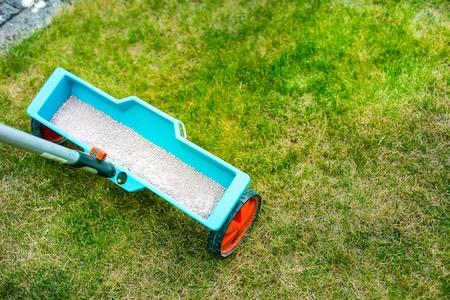
Hot afternoons, warm nights, and stingy rainfall can expose every weakness in your yard. If you are dealing with summer lawn problems in Austin, you are not alone. From brown spots and brittle blades to fast-spreading patches, the right professional plan, including targeted lawn fertilization, helps your turf stand up to the season.
Why Austin Lawns Struggle in Summer
Austin soils can be thin and rocky, and many neighborhoods from Hyde Park to Circle C Ranch sit on areas that heat up fast and hold warmth overnight. Long strings of triple-digit days pull moisture from the top few inches of soil, so grass crowns feel the stress first. That stress opens the door to insects and disease. A steady, professional program focused on balanced nutrition and proactive monitoring keeps roots strong when the weather turns harsh.
Most Common Summer Lawn Problems in Austin TX
Local yards tend to face a repeat set of troubles each year. Here are the issues our team sees the most, and what a professional crew looks for when diagnosing them.
Brown Spots That Keep Growing
Brown areas that start along sidewalks, driveways, or sunny curb strips often point to heat stress at first. When the spots expand in irregular shapes and the color shifts from straw to gray, that can signal pests or a fungal issue taking advantage of weakened turf. Pros separate look‑alike problems by examining the edges of the damage, the feel of the soil, and how the turf lifts or holds under light traction.
Chinch Bugs Feeding in Hot, Sunny Areas
Chinch bugs love St. Augustine and thrive in hot, open exposures common across East Austin and newer subdivisions with young trees. They suck juices from blades and crowns, leaving rough, expanding patches that resemble drought. Because their damage can spread quickly in July and August, early, professional identification matters. A licensed tech will confirm activity and design a targeted response that protects nearby healthy turf.
Fungal Diseases After Summer Storms
Warm, humid nights can trigger diseases like gray leaf spot. You may notice speckled blades that fade to tan and then thin out. Take‑all root problems can also show where soil stays warm and wet for stretches, especially under heavy shade or in overwatered corners. A pro plan pairs site‑specific fungicide strategies with cultural adjustments so the lawn recovers without encouraging new outbreaks.
Grubs and Other Root Feeders
Later in summer, grub feeding can weaken roots enough that turf peels back like a loose carpet. Birds and wildlife scratching at the same spots are another clue. Because activity peaks seasonally, timing is everything with pro applications that target the most vulnerable stage and protect the lawn before patches connect.
Heat and Drought Stress
In neighborhoods like Mueller or Rosedale, south‑facing slopes and parkway strips bake under direct sun and reflected heat from pavement. Stressed grass loses color and density, then weeds find daylight. A professional schedule tunes mowing height, irrigation audits, and feeding so roots stay deeper and crowns stay shaded when August bites hard.
How Pros Tell Issues Apart Without Guesswork
Many summer problems look the same on the surface. The difference is in the details: edge patterns, thatch depth, crown color, and soil conditions a few inches down. Trained techs combine these field checks with season‑aware scouting. That way, they reach the root cause before damage spreads into surrounding areas or under trees where recovery takes longer.
Prevention That Works In Austin’s Climate
Healthy turf resists problems better, so prevention starts with the soil. Professional crews use balanced feeding to push roots instead of soft, quick top growth that wilts in heat. Precision lawn fertilization supports color and density through the hottest stretch, then sets the stage for fall recovery. Integrated monitoring catches chinch bugs, grubs, and disease patterns early so treatment stays focused and effective.
What Those Brown Spots Might Mean
- Sun‑baked, irregular patches along concrete: often heat stress that can invite chinch bugs
- Speckled or blighted blades after warm, rainy nights: potential fungal activity
- Areas that lift like carpet in late summer: possible grub feeding at the roots
- Thinning in shaded sections beneath live oaks: root competition and moisture imbalance
Do not ignore fast‑spreading patches. Quick changes during July or August are a sign to bring in help before recovery delays into fall.
Neighborhood Nuance Across Austin
Every yard lives in a microclimate. Circle C Ranch and Steiner Ranch see long afternoon sun and reflected heat near stone hardscapes. Central neighborhoods like Hyde Park and Rosedale enjoy more canopy, but dense shade can hold humidity around blades after summer showers. An experienced local crew reads those site differences and tunes mowing height, scheduling, and nutrition to fit your block, not just your ZIP code.
Professional Care Beats Seasonal Surprises
Season‑smart feeding supports deeper roots before the hottest weeks. Calibrated mowing protects crowns and reduces stress stripes. Targeted treatment addresses pests and disease without over‑applying products. This approach keeps turf thick and even, so the first fall fronts are a chance to strengthen your lawn rather than repair it.
When To Call For Help
- You see brown areas growing week to week or leaping across seams and edges
- Traffic paths or sunny strips refuse to rebound during peak heat
- Blades show distinct spotting after warm, damp nights
- Wildlife pecks or scratches the same spots every morning
If any of these sound familiar, a site visit from LD Lawns brings fast clarity. Our team will assess conditions, confirm the cause, and map a plan that protects the healthiest parts of your yard first, then restores color and density across the rest.
Build Strength With The Right Feeding Plan
Summer success is not luck. It is a sequence. A soil‑aware program with season‑timed nutrition keeps energy in the roots when the sun is relentless. Pair that with sharp, height‑appropriate mowing and timely monitoring, and you have a lawn that stays photo‑ready through cookouts and late‑evening play. For deeper background on pests common in our area, explore our quick read on 7 common lawn pests in Austin, then schedule the services that fit your property.
Get Local Support You Can Trust
Ready to stop chasing symptoms and start preventing them? Start with a conversation. Mention the brown areas, the exposure, and any recent irrigation changes. We will match your yard’s needs to proven services and keep you posted as the season shifts. Many homeowners begin with our austin lawn fertilization service to stabilize color and density through the hottest weeks.
For neighbors searching online for lawn problems Austin TX, the fastest path to a resilient yard is a tailored plan and a steady team. Call LD Lawns at 512-679-4925 and we will take it from there.
Final tip: Small problems are cheaper in time and turf than big ones. The moment you notice change, bring in a pro and protect the rest of your lawn while recovery begins.
Get Your Lawn Care on Track Call Our Lawn Care Experts In Austin Today!